

In the rapidly evolving landscape of mobile technology, the definition of a "premium" app experience is shifting. It is no longer enough to simply build a functional application; developers must now deliver seamless, high-performance, and deeply integrated experiences that transcend the boundaries of a single device. At Google I/O ’26, the Android Developer Relations team unveiled a comprehensive suite of tools and libraries designed to help engineers navigate this complexity, optimize for a diverse range of form factors, and streamline the path from code to high-quality media delivery.
By focusing on three core pillars—performance optimization, cross-device widget unification, and advanced media pipelines—Google is setting a new standard for what it means to build "differentiated" experiences in the Android ecosystem.
Main Facts: The Pillars of Modern Android Development
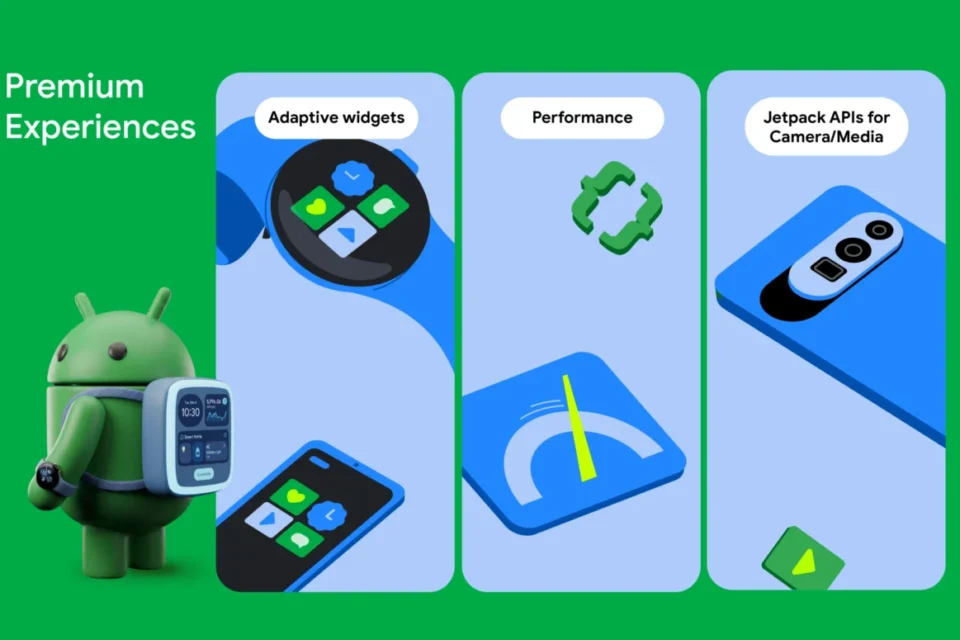
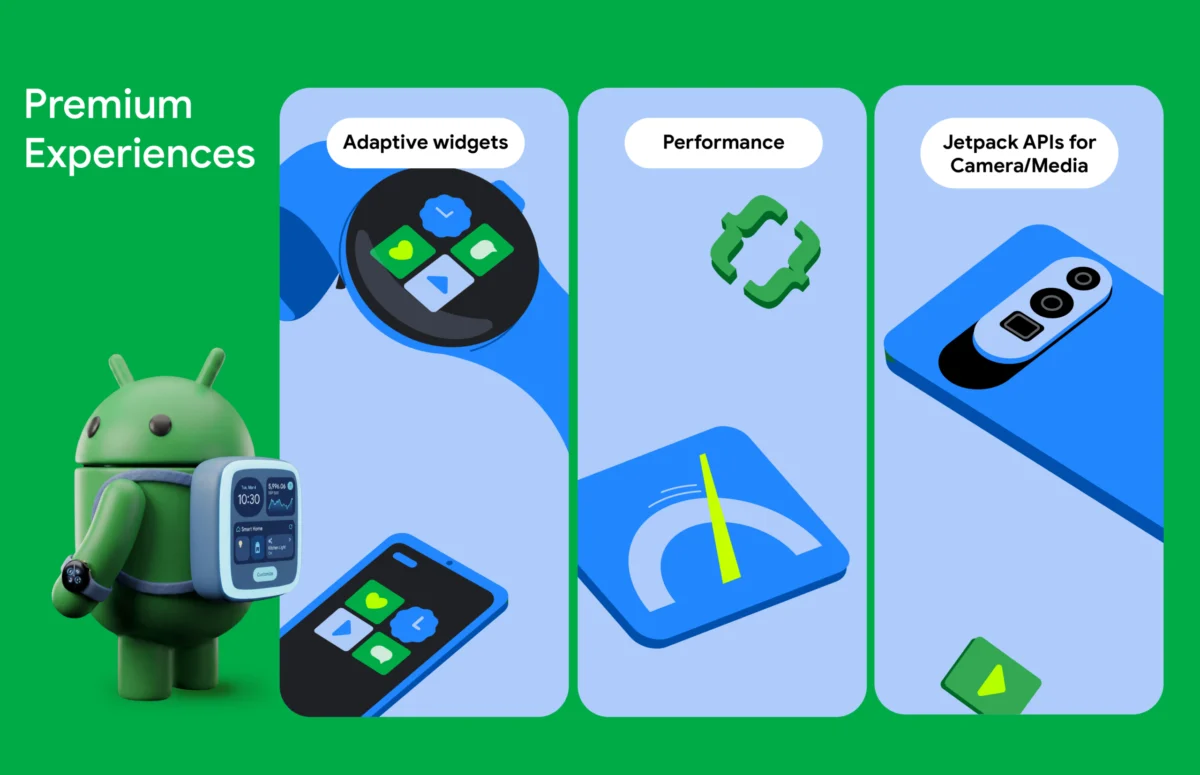
The core announcement from Google I/O ’26 centers on three strategic technical advancements:
- R8 Configuration Analyzer: A diagnostic tool in Android Studio that helps developers eliminate "dead code" and bloated app footprints, directly addressing the stricter memory constraints introduced in Android 17.
- Unified Glance & RemoteCompose: A framework-level shift that enables developers to build "glanceable" UI elements (widgets, tiles, and dashboard cards) that work consistently across phones, Wear OS devices, and automotive head units.
- End-to-End Media Lifecycle: A refined toolkit utilizing Jetpack CameraX and Media3 that simplifies high-fidelity media capture, AI-driven editing, and high-performance playback.
These tools are not merely incremental updates; they represent a fundamental shift toward an ecosystem where "write once, run anywhere" is finally supported by consistent, performant tooling that handles the nuances of different hardware configurations natively.
Chronology: The Road to Android 17 and Beyond
The journey toward this year’s announcements began with a clear mandate from the Android engineering team: as the hardware ecosystem expanded into foldables, tablets, watches, and cars, the software overhead began to threaten system stability.
- Early 2025: Android developers identified a growing friction point: the fragmentation of "quick-action" UI. Building a widget for a home screen was a fundamentally different process than building a Tile for Wear OS.
- Late 2025: Android 17 entered its initial development phase, with a focus on strict memory management. The system began enforcing conservative, RAM-based limits to prevent background apps from degrading the experience of the foreground application.
- May 2026 (Google I/O): The official unveiling of the R8 Configuration Analyzer and the cross-platform integration of Jetpack Glance. This marked the transition from "experimental" features to a production-ready toolkit aimed at every Android developer.
Supporting Data: Efficiency as a Competitive Advantage
The push for optimization is driven by hard data. When an app consumes too much memory, the Android system—especially under the new Android 17 protocols—will move to terminate it to preserve overall device health.
The success of the R8 Configuration Analyzer is perhaps the most compelling evidence of the necessity of these new tools. For instance, Monzo, the banking giant, implemented the R8 Configuration Analyzer to trim its application footprint. The results were significant:
- 30% improvement in cold-start times: Reducing the time a user spends staring at a splash screen.
- 35% reduction in ANR (Application Not Responding) rates: Drastically improving the perceived stability of the app.
These figures illustrate that the "lean footprint" is no longer an optional optimization; it is a critical requirement for market viability. As devices become more sophisticated, the difference between a top-tier app and a mediocre one is often found in the milliseconds of startup time and the grace with which an app manages memory.
Official Perspective: Empowering the Developer
Ataul Munim, an Android Developer Relations Engineer, emphasized that the goal of these updates is to foster "premium delight." In the context of the Android ecosystem, "delight" is defined as the seamless transition of information across surfaces.

"A truly differentiated Android experience is about delivering premium delight wherever your users are," Munim stated during the keynote. "By unifying the development experience across the Android ecosystem, we are enabling developers to extend their reach from the phone to the car dashboard with a familiar, Compose-based workflow."
The official stance from Google is that the "walled garden" approach to app development—where mobile, wearable, and automotive codebases remain isolated—is effectively over. By providing tools like RemoteCompose, Google is shifting the burden of platform-specific rendering away from the developer, allowing them to focus on the business logic and user value.
Implications: The Future of Cross-Device Computing
The shift toward a unified approach to widgets and glanceable content has profound implications for the industry.
1. The Death of Siloed UI Development
Previously, a developer needed to learn entirely different APIs to build a home screen widget and a Wear OS Tile. With Jetpack Glance and RemoteCompose, the learning curve is flattened. This allows smaller teams to maintain a presence across the entire Android ecosystem, effectively democratizing access to high-end, multi-surface feature sets.
2. The Rise of "Glanceable" Computing
The industry is moving away from deep-linking into apps for every minor action. Users want to see their flight status on their watch, manage a boarding pass from their phone, and check navigation on their car dashboard. By making widgets more expressive through RemoteCompose, Google is encouraging a "glance-first" user experience. This design pattern reduces user friction, keeping the user engaged with the brand without requiring them to open a heavy application.
3. AI-Integrated Media Pipelines
The introduction of the Media3 AI Effects library signifies that AI is no longer a "bolt-on" feature for Android apps. By integrating capabilities like "Magic Eraser," "Studio Sound," and "Video Enhance" directly into the Jetpack Media3 framework, Google is ensuring that professional-grade creative tools are accessible to every developer. This allows apps that were previously purely utilitarian to transform into powerful creative suites, significantly increasing the potential ROI for developers.
Conclusion: A New Standard for Excellence
The suite of tools presented at Google I/O ’26—the R8 Configuration Analyzer, the expansion of Jetpack Glance, and the maturation of Media3—collectively signal a new era for Android.
The ecosystem is maturing, and the focus is shifting from "how do we get apps to run?" to "how do we make apps feel native and premium everywhere?" By adhering to these new standards, developers are not only future-proofing their applications against the stringent memory requirements of Android 17 and beyond, but they are also building a more cohesive, high-performance journey for their users.
For the developer, this means less time fighting with platform-specific limitations and more time building features that provide genuine, lasting value. For the user, it means an experience that is fast, reliable, and consistent, regardless of whether they are checking their wrist, looking at their phone, or sitting in the driver’s seat. As the ecosystem continues to integrate, those who adopt these tools early will be the ones defining the next generation of premium mobile experiences.